Henrico County, Virginia
A real home, with care built in.
A small, staffed home for adults who need daily support to live well. Real bedrooms, a kitchen table, a big backyard, and people who know your name. A small group home for adults with intellectual and developmental disabilities. Real bedrooms, a kitchen table, a big backyard, and staff who know each person well. A small, supervised home for adults living with serious mental illness. A calm place to settle, rebuild routines, and take the next step toward living on your own terms.
Opening in 2027. Licensure with the Virginia Department of Behavioral Health and Developmental Services is in process, and we are taking early inquiries now.
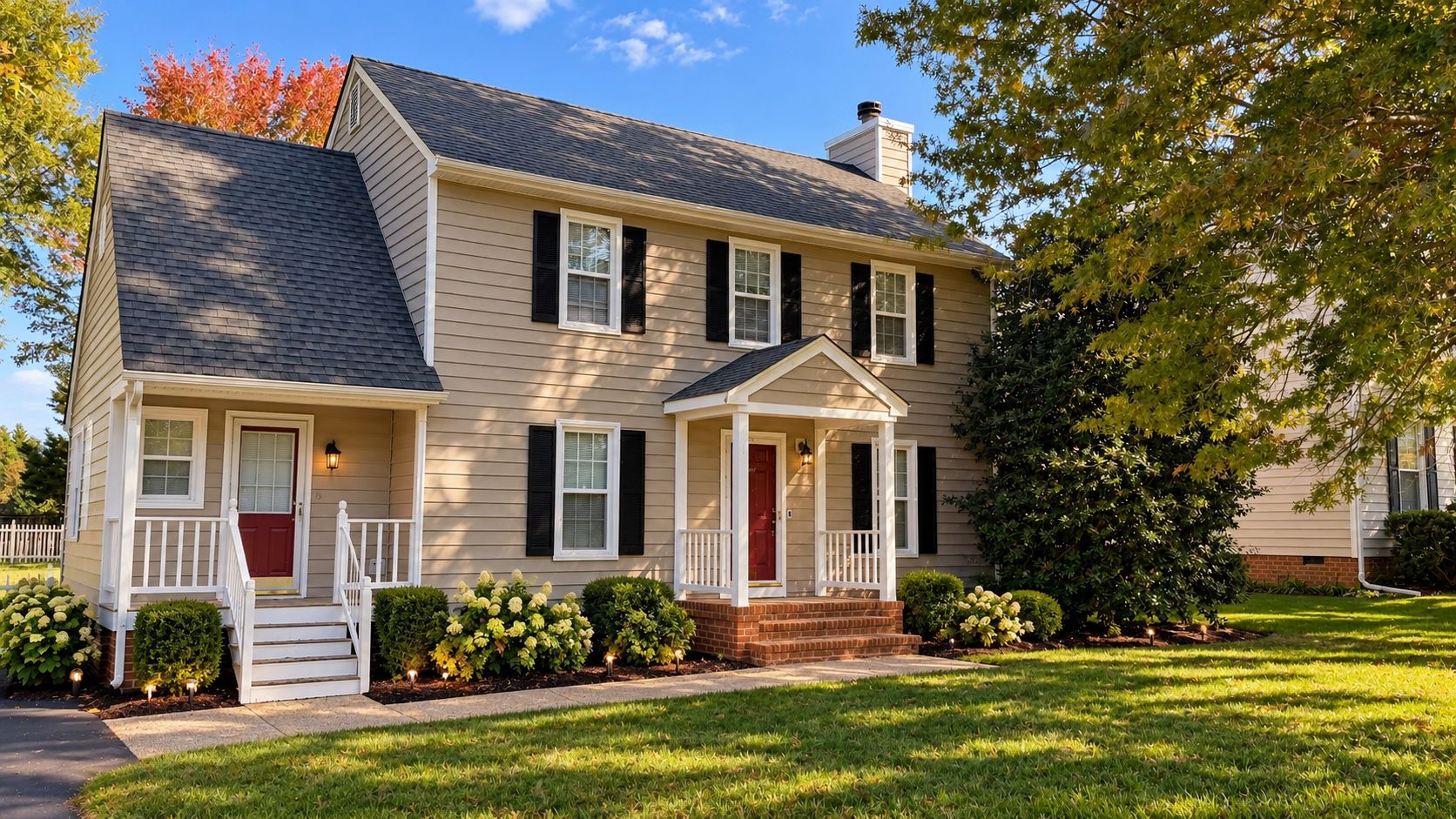
Neighborhood settingA house on a residential street, not a facility.
- Small by designA handful of housemates, so routines stay personal.
- Staffed day and nightTrained support on site, every hour of every day.
- A fenced backyardMature trees, a deck with seating, room to be outside.
- Family is welcomeVisits, holidays, and phone calls are part of life here.
The home
Walk through the house.
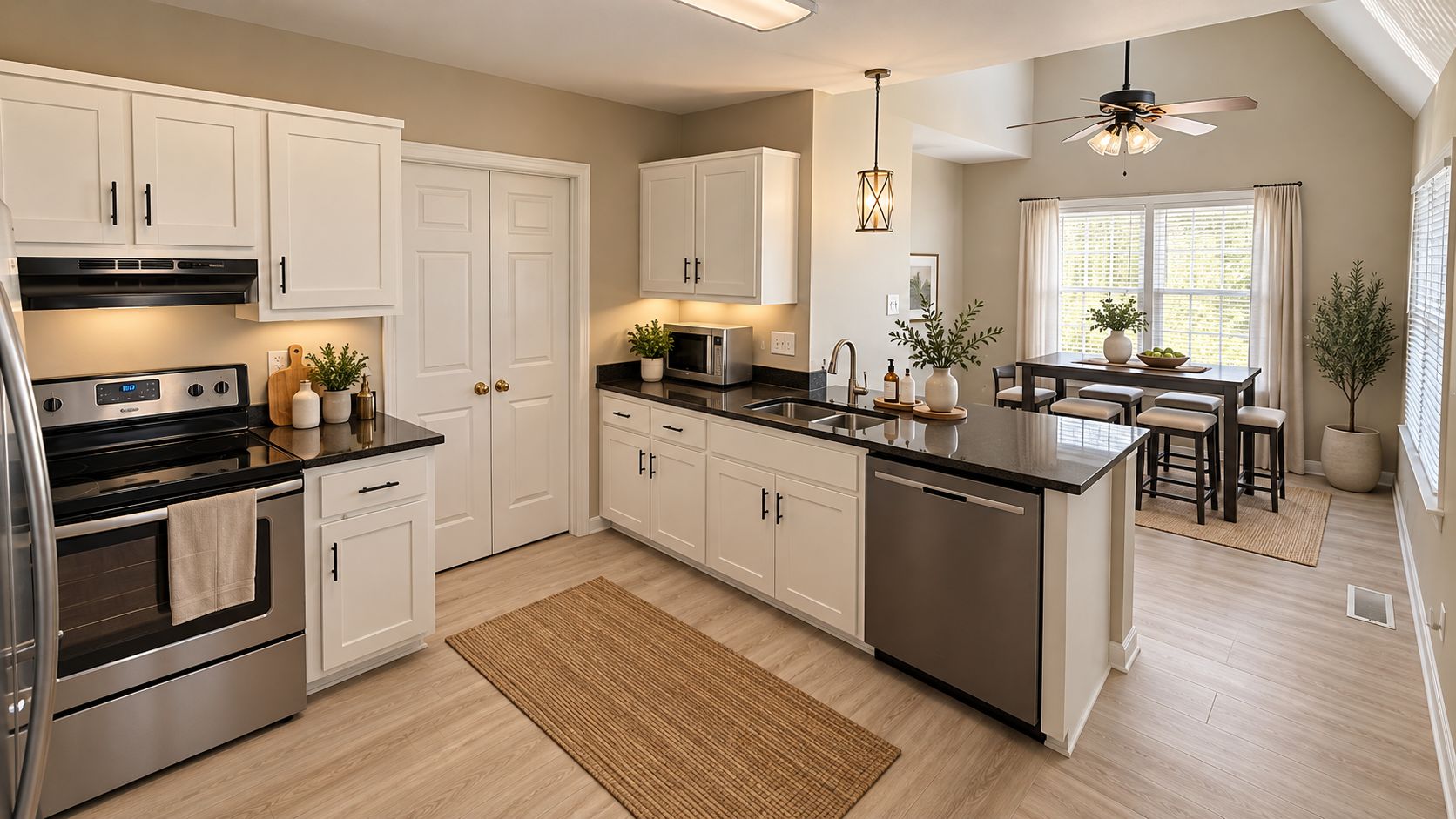
Warm rooms, natural light, and furniture that looks like it belongs in a family home, because it does. Tap any photo to see it larger.
Photos show the home with staging. Furnishings and room setups may change before opening.
Our approach
Support that fits the person, not the other way around.
Home first
Shared meals, a living room with a fireplace, a yard for summer evenings. Care happens inside ordinary daily life, not around it.
Your plan, your pace
Every resident has an individual plan built with them and the people they trust. It covers goals, routines, and preferences, and we revisit it as things change.Every resident has a person-centered plan built with them, their family, and their support coordinator. Goals, routines, and preferences come first, and we revisit the plan as things change.Every resident has an individual recovery plan built with them and their treatment team. It sets goals for daily living, health, and independence, and we revisit it as progress is made.
Health, handled quietly
Trained staff manage medications, keep appointments on the calendar, and stay in touch with doctors and family, so health care supports life at home instead of taking it over.Trained staff support medications, keep psychiatric and medical appointments on track, and stay in close contact with each person's treatment team.
Part of the community
Grocery runs, church or the library, work, the park, a favorite restaurant. We help residents get where they want to go and build a life outside the house too.Day programs, work, Special Olympics, the library, a favorite restaurant. We provide transportation and help residents build a life well beyond the front door.Work, school, peer groups, outpatient appointments, the gym. We help residents rebuild connections and confidence for life beyond the house.
Who we support
Adults who want a home, with support close by. Adults with intellectual and developmental disabilities. Adults living with serious mental illness.
We serve adults 18 and older whose needs are best met in a small, staffed home rather than a large facility. Every admission starts with a conversation about fit: the person's goals, their support needs, and whether this house and this team are right for them. We serve adults 18 and older with intellectual or developmental disabilities who are ready to live in a small group home. Many come to us from a family home or a larger setting. Every admission starts with a conversation about fit with the person, their family, and their support coordinator. We serve adults 18 and older living with serious mental illness, including people stepping down from a hospital stay or crisis stabilization. Our home offers structure and supervision while each person rebuilds routines, health habits, and independence.
A good fit if someone:
- Wants a quieter home with a few housematesIs clinically ready to live in the community with daily support
- Benefits from daily help with routines, meals, medications, and getting aroundBenefits from daily help with personal care, meals, medications, and skill buildingBenefits from help with medications, routines, and keeping appointments
- Would thrive with more community life, not lessWants to work toward school, work, or more independent housing
- Has people who want to stay involved, whether family, a guardian, or a case manager
What daily support includes
24-hour staffed homeGroup home residential supportSupervised residential support
CoreTrained staff on site around the clock, with a house manager who knows every resident.
Daily living and skill building
CoreCooking, laundry, money, and self-care, taught at each person's pace with as much independence as they want.
Health and medication support
CoreMedication administration by trained staff, plus coordination with doctors, dentists, and pharmacies.Medication support by trained staff, plus coordination with psychiatrists, therapists, and primary care.
Transportation and outings
CoreRides to appointments, day programs, outpatient programs, work, and the places residents enjoy.
Day support
PlannedCommunity-based day activities that build skills and friendships during the week.
Transition planning
CoreWhen someone is ready for more independence, we plan the next step together and help make it happen.
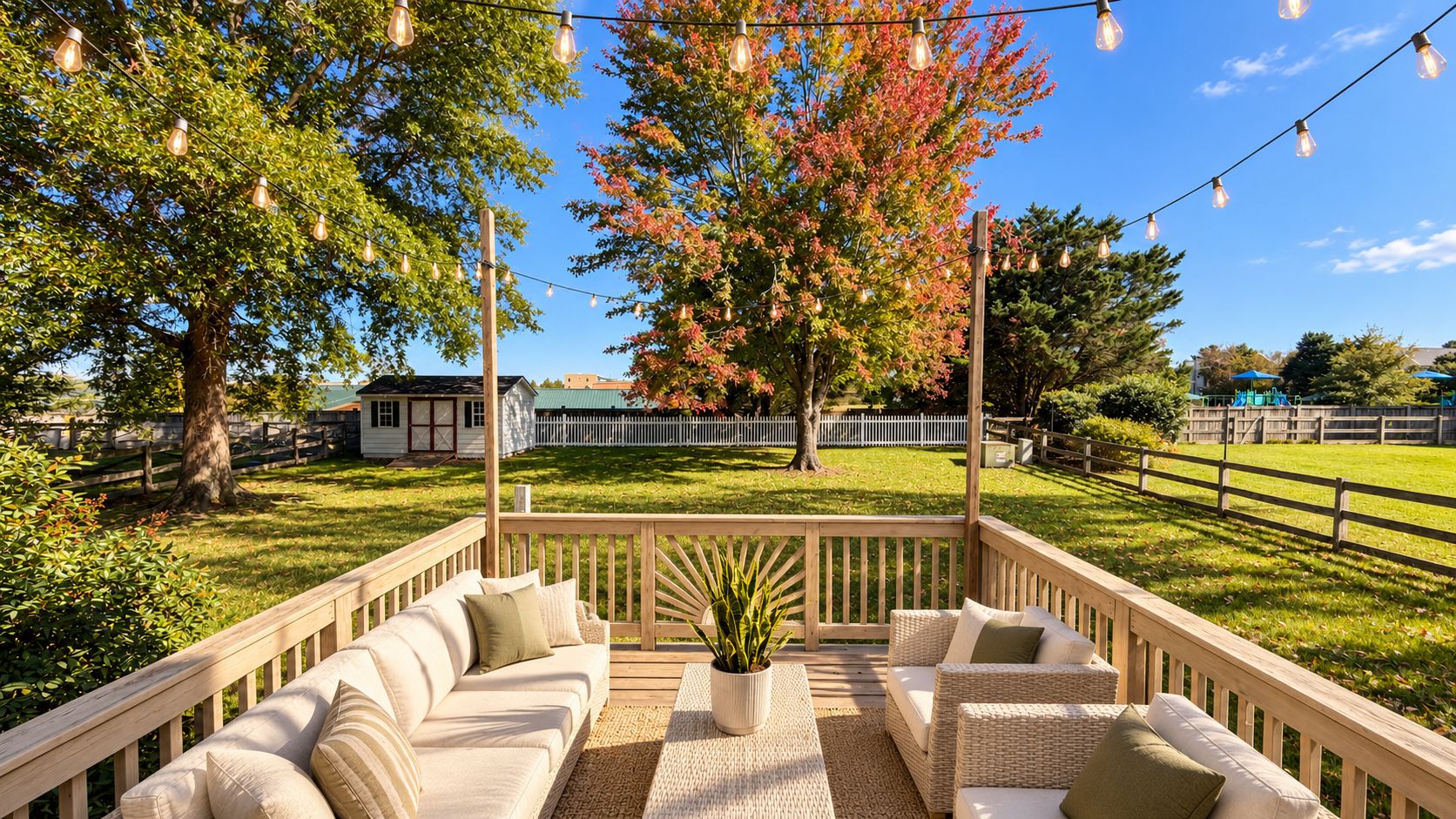
Summer evenings on the deck. Saturday mornings in the yard.
Referrals and admissions
A clear path in, with no surprises.
We are building our first waitlist now. Moving homes is a big decision, so we take it one careful step at a time.
A first conversation
Call or send a short note. We'll talk about the person, what they're looking for, and whether our home is a likely fit.
Review and eligibility
With consent, we review records and work with the person's case manager or support coordinator to confirm funding and eligibility.With consent, we review records and work with the person's CSB support coordinator to confirm DD Waiver eligibility and service authorization.With consent, we review clinical records and work with the treatment team or discharge planner to confirm the level of support needed.
Visit the home
The person and their family see the house, meet staff and housemates, and ask everything. A shared meal is a good way to start.
Transition and move-in
We build a move-in plan together, including belongings, routines, and the first few weeks, so day one feels familiar.
Rights and advocacy
Every resident's rights come with them.
People who live here have the same rights as anyone else: privacy, dignity, choice, and the freedom to speak up. Virginia law protects those rights for people receiving services, and we will explain them to every resident and family before move-in. If you ever have a concern, these independent organizations can help.
- disAbility Law Center of Virginia(804) 225-2042 · dlcv.org
- The Arc of Virginia(804) 649-8481 · thearcofva.org
- NAMI Virginia(804) 285-8264 · namivirginia.org
- Virginia Board for People with Disabilities(804) 786-0016 · vaboard.org
- Virginia Legal Aid Society(866) 534-5243 · vlas.us
- Legal Aid Justice Center(434) 977-0553 · justice4all.org
- Virginia Poverty Law Center(804) 782-9430 · vplc.org
Careers
Do work that matters, a few minutes from home.
The people who work here are the reason this works. We're building a small, steady team in the Richmond area and will open hiring ahead of launch.
Questions
What families usually ask first.
Is Sanctuary licensed yet?
Not yet. Our licensure with the Virginia Department of Behavioral Health and Developmental Services (DBHDS) is in process. No one will move in until the license is issued, and we'll post our license information here once it is.
Where is the home?
In a residential neighborhood in Henrico County, close to Richmond. To protect residents' privacy we share the address during the visit stage rather than online.
How is care paid for?
It depends on the person and the services they need. Most people use public funding coordinated through their case manager or support coordinator, and private pay is also possible. We'll walk through the options on the first call, before anyone commits.
Group home services are usually funded through Virginia Medicaid's Developmental Disability Waiver (the Community Living Waiver). Your CSB support coordinator helps confirm eligibility and authorizes services. Room and board are handled separately, and we'll explain exactly how on the first call.
It varies. Depending on the person, support may come through Medicaid behavioral health services, arrangements with the local Community Services Board, or private pay. We'll help you sort out what applies before anyone commits.
Are bedrooms private or shared?
The house has both. We talk with each resident about what they'd prefer and match rooms carefully, and residents are welcome to bring their own furniture, photos, and bedding.
Can family visit?
Yes, and we hope you will. Families are welcome for visits, meals, holidays, and outings. We keep you updated with regular check-ins, and you can always call the house.
What happens in an emergency?
Staff are trained in CPR, First Aid, and emergency procedures, and they are on site at all times. We contact families and the person's support team right away whenever something significant happens.
Contact
Start with a conversation.
Whether you're a family member, a case manager, or someone looking for a home, we're glad to talk. No paperwork needed for a first call.